Singer 2277 Manual: A Comprehensive Guide
Discover essential resources for your Singer Tradition 2277, including free digital manuals, parts, and troubleshooting guides for optimal sewing performance.
The Singer Tradition 2277 is a popular sewing machine, renowned for its reliability and user-friendly design. This comprehensive guide aims to equip both beginners and experienced sewers with the knowledge to fully utilize its capabilities. Pocono Sew-Vac offers free digital manuals, ensuring easy access to vital information.
Understanding your machine begins with familiarizing yourself with its features and functions. The 2277 is designed for a variety of sewing projects, from simple alterations to more complex creations. This manual will walk you through each step, providing clear instructions and helpful tips. Accessing the PDF version allows for convenient offline reference, ensuring assistance is always at hand during your sewing endeavors.
Safety Precautions
Prioritizing safety is crucial when operating the Singer Tradition 2277. The instruction manual explicitly details important warnings to minimize risks of electric shock, fire, or personal injury. Always disconnect the power supply before performing any maintenance, such as changing the needle or cleaning the bobbin area.
Never operate the machine with a damaged cord or plug. Keep fingers away from moving parts, especially the needle and presser foot, during operation. Ensure the machine is placed on a stable, level surface. This document provides essential safety guidelines; carefully review them before each use to ensure a safe and enjoyable sewing experience.
Machine Components Overview

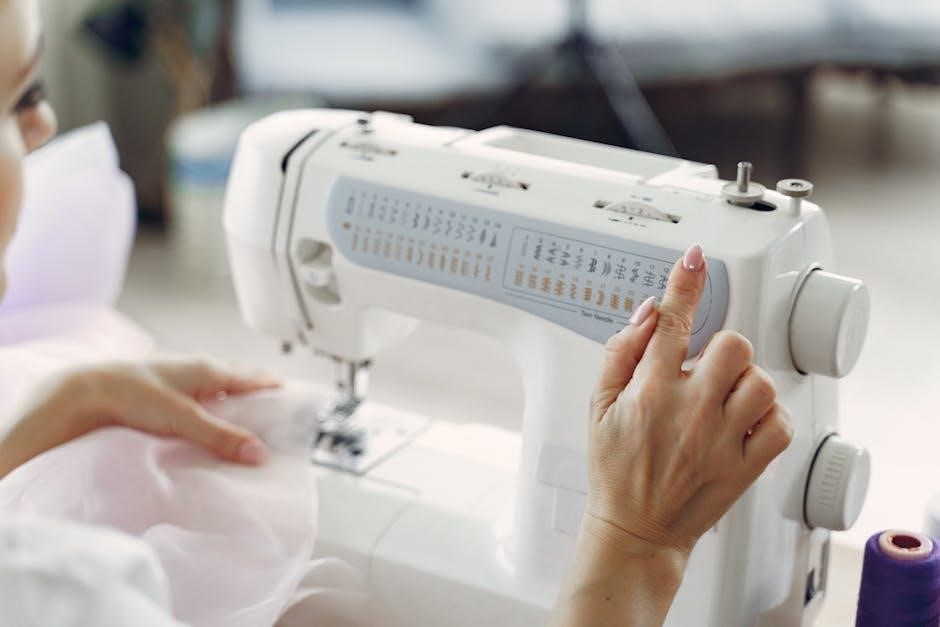
Familiarizing yourself with the Singer Tradition 2277’s components is key to successful operation. The machine features a robust motor, a precisely engineered needle mechanism, and adjustable stitch controls. Key parts include the power switch, handwheel, stitch length dial, stitch width dial, and reverse lever.
The presser foot, bobbin winder, and thread tension dial are also vital for achieving desired stitch quality. Understanding the function of each component, as detailed in the manual, will allow for efficient threading, bobbin winding, and overall machine control. Proper identification ensures smooth operation and effective troubleshooting.
Needle and Presser Foot
Selecting the correct needle and presser foot is crucial for various sewing projects with your Singer 2277. Different fabrics require specific needle types and sizes – the manual details a comprehensive guide. Universal, ballpoint, and stretch needles are commonly used, each designed for optimal performance on different materials.
The presser foot applies pressure to the fabric, guiding it under the needle. Various presser feet are available, including a standard zig-zag foot, buttonhole foot, and zipper foot, enhancing versatility. Ensuring the correct combination of needle and foot guarantees even stitching and prevents fabric damage.
Bobbin Winding and Threading
Proper bobbin winding and threading are fundamental to successful sewing with the Singer 2277. The manual provides clear, step-by-step instructions for winding the bobbin evenly, ensuring consistent stitch quality. Incorrect winding can lead to tension issues and uneven stitches.
Threading the machine correctly – both the upper thread and the bobbin thread – is equally vital. The manual illustrates the threading path, emphasizing the importance of following it precisely. A properly threaded machine minimizes tangles and ensures smooth operation. Refer to the diagrams for accurate guidance and optimal performance.
Basic Operation: Getting Started
Embarking on your sewing journey with the Singer Tradition 2277 begins with understanding its basic operations. The manual guides you through initial setup, including attaching the power cord and selecting a suitable workspace. Familiarize yourself with the key components – the handwheel, stitch length dial, and stitch width control – before starting.
Practice threading the machine and winding the bobbin as outlined in the manual. Begin with a test fabric to adjust tension and stitch settings. This initial practice builds confidence and ensures a smooth sewing experience. Always refer to the safety precautions detailed within the manual before operation.
Powering On and Selecting Stitch
Initiating operation of your Singer 2277 involves a straightforward powering-on sequence. Ensure the power switch is in the ‘off’ position before plugging in the AC power cord. Once connected, switch the machine on. The manual details the location of the power switch for easy access.
Stitch selection is managed via a dial or button system, clearly illustrated in the manual. Rotate or press to choose your desired stitch – straight, zigzag, or decorative. The selected stitch will be displayed, allowing for precise control. Always test the chosen stitch on scrap fabric before beginning your project to verify settings.

Thread Tension Adjustment
Achieving optimal stitch quality relies heavily on correct thread tension. The Singer 2277 manual provides a detailed guide to adjusting both upper and lower thread tension. Begin with the default setting of ‘4’ and test on scrap fabric. If loops form on the underside, increase the upper tension. Conversely, if loops appear on the top, decrease it.
Minor adjustments are usually sufficient. The manual emphasizes the importance of re-threading both the upper thread and bobbin after any tension changes. Consistent testing and observation are key to mastering tension control, ensuring balanced and professional-looking stitches every time.
Stitch Selection and Functions
The Singer Tradition 2277 boasts a versatile range of stitches, detailed within the manual. Beyond basic straight and zigzag options, explore decorative stitches for embellishing projects. The stitch selection dial allows easy navigation through available patterns. Each stitch offers adjustable length and width settings, influencing the final appearance.
The manual clearly explains the intended use for each stitch – from garment construction to decorative applications. Understanding these functions unlocks the machine’s full potential. Experiment with different settings on scrap fabric to familiarize yourself with the variety and achieve desired results.
Straight Stitch and Zigzag Stitch
The Singer 2277’s foundational stitches – straight and zigzag – are covered extensively in the manual. The straight stitch, essential for seams and basic construction, allows adjustable stitch length for varied fabric weights. Zigzag provides elasticity and is ideal for finishing raw edges, preventing fraying.
The manual details how to adjust the stitch width for zigzag, creating narrower or wider patterns. Mastering these two stitches is crucial for any sewing project. Proper tension settings, as outlined in the guide, ensure balanced and durable seams. Experimentation with different lengths and widths unlocks creative possibilities.
Decorative Stitch Options
The Singer 2277 boasts a variety of decorative stitches, enhancing projects beyond basic sewing. The manual illustrates each stitch pattern and its recommended uses – from simple embellishments to intricate designs. Stitch options include shell, blanket, and various zigzag variations, adding unique textures and visual appeal.
Understanding stitch width and length adjustments is key to achieving desired decorative effects. The guide provides detailed instructions on selecting and testing stitches on scrap fabric before applying them to the final project. Explore creative possibilities like monograms and decorative edging, guided by the manual’s clear explanations and diagrams.
Troubleshooting Common Issues
Encountering problems with your Singer 2277 is common, but often easily resolved. The manual dedicates a section to diagnosing frequent issues, like thread bunching or skipping stitches. It emphasizes the importance of proper threading and bobbin insertion as initial checks. A recent case involved a jammed needle requiring bobbin case disassembly and reassembly.
The guide advises verifying needle type and size compatibility with the fabric. Tension adjustments are also crucial; starting with a setting of ‘4’ is recommended. If issues persist, the manual suggests consulting the detailed troubleshooting charts for specific symptoms and solutions, ensuring continued smooth operation.
Fixing Loose Stitches
Loose stitches on your Singer 2277 often indicate tension imbalances or incorrect threading. The manual stresses re-threading both the upper thread and bobbin, ensuring proper path adherence. Check the presser foot pressure; insufficient pressure can cause loose stitches, especially on delicate fabrics.
Adjusting the thread tension dial is key – a higher number tightens, while a lower number loosens. Experiment with small adjustments, testing on scrap fabric after each change. If the problem continues, verify the needle is correctly inserted and of the appropriate type and size for your material. A damaged needle should be replaced immediately.
Addressing Bobbin Problems
Bobbin issues with the Singer 2277 frequently involve incorrect winding or improper insertion. The manual details a specific bobbin winding technique – ensure even distribution and sufficient thread. If the bobbin case is jammed, carefully disassemble it, as described in troubleshooting, to remove tangled threads.
Verify the bobbin is inserted correctly, following the diagram in the manual. Incorrect bobbin direction can cause looping or skipped stitches. Use only genuine Singer bobbins or compatible replacements to avoid damage. Regularly clean the bobbin area to remove lint and debris, preventing further complications and ensuring smooth operation.
Dealing with Needle Jamming
Needle jamming on the Singer 2277 often occurs due to incorrect threading, using the wrong needle type, or fabric issues. Always re-thread the machine completely, ensuring the thread is properly seated in all guides. Refer to the manual for the correct needle type for your fabric weight – a dull or incorrect needle increases jamming risk.
If jamming happens mid-sew, stop immediately and gently remove the fabric. Carefully disassemble the bobbin case, as detailed in the troubleshooting section, to clear any tangled threads. Avoid forcing the fabric, which can damage the machine. Regularly clean the needle plate area to prevent lint buildup contributing to jams.
Maintenance and Cleaning
Regular maintenance extends the life of your Singer 2277. Power off and unplug the machine before any cleaning. Use a soft brush to remove lint and dust from the bobbin area, feed dogs, and needle plate after each use. A small vacuum cleaner attachment can also be helpful.
For deeper cleaning, occasionally wipe down the exterior with a damp cloth. Avoid using harsh chemicals or solvents. Consult the manual’s lubrication guide for recommended oiling points – proper lubrication ensures smooth operation. Consistent cleaning prevents fabric buildup and ensures optimal sewing performance, avoiding potential malfunctions.
Regular Cleaning Procedures
Consistent cleaning is vital for your Singer 2277’s longevity. Begin by unplugging the machine. Use the brush accessory to remove lint from the bobbin case, feed dogs, and around the needle. A vacuum with a brush attachment effectively removes stubborn debris. Wipe the exterior surfaces with a slightly damp cloth, avoiding harsh chemicals.
Pay close attention to the needle plate, removing any accumulated fabric fibers. Regularly inspect and clean the bobbin winding tension disc. These simple steps, performed after each sewing session, prevent build-up and maintain optimal performance, ensuring smooth and reliable operation.
Lubrication Guide
Proper lubrication ensures smooth operation of your Singer 2277. However, modern sewing machines, including the 2277, generally require minimal oiling. Avoid over-lubrication, as excess oil attracts dust and lint. If lubrication is needed, use only sewing machine oil – never household oil.
Apply a small drop to the bobbin race and the needle bar area, following the manufacturer’s recommendations. Consult your manual for specific lubrication points. Regularly wiping away any excess oil prevents build-up. Excessive oil can cause staining on fabrics, so caution is key to maintaining a clean and efficient machine.
Parts and Accessories
Enhance your Singer 2277’s capabilities with compatible parts and accessories. Essential replacements include needles in various types and sizes (universal, ballpoint, denim) to suit different fabrics. A range of presser feet expands functionality – consider a zipper foot, buttonhole foot, or rolled hem foot.
Bobbin cases and holders are crucial for consistent stitch quality. Pocono Sew-Vac and other retailers offer these parts. Always verify compatibility before purchasing. Maintaining a stock of bobbins and quality thread ensures uninterrupted sewing. Explore accessory kits for added convenience and creative options tailored to your Singer 2277.
Needle Types and Sizes
Selecting the correct needle is vital for successful sewing with your Singer 2277. Universal needles are suitable for woven fabrics, while ballpoint needles prevent snagging on knits. Denim needles are designed for heavier materials like jeans and canvas. Needle sizes range from 80/12 (fine) to 110/18 (heavy).
A smaller number indicates a finer needle, ideal for lightweight fabrics. Larger numbers are for thicker materials. Always match the needle size to the fabric weight and thread type. Regularly replacing your needle ensures clean stitches and prevents damage to your machine and fabric. Refer to your manual for specific recommendations.
Presser Feet Compatibility
The Singer Tradition 2277 boasts compatibility with a variety of presser feet, expanding its sewing capabilities. Standard feet include the all-purpose foot, zipper foot, and buttonhole foot. Additional feet, often sold separately, unlock specialized techniques.
These include a satin stitch foot for smooth satin stitches, a blind hem foot for invisible hems, and a rolled hem foot for delicate edges. Ensure the presser foot is securely attached before sewing. Using the correct foot significantly improves stitch quality and simplifies complex projects. Explore available options to maximize your machine’s potential.
Downloading the Singer 2277 Manual (PDF)
Accessing a digital copy of the Singer 2277 manual in PDF format is readily available online. Pocono Sew-Vac and other sewing resource websites offer free downloads, providing immediate access to comprehensive instructions. This digital format allows for convenient viewing on computers, tablets, or smartphones.

The PDF manual includes detailed safety precautions, machine component overviews, threading diagrams, and troubleshooting tips. Downloading the manual eliminates the need for a physical copy and ensures you always have the information at your fingertips. Search online for “Singer 2277 manual PDF” to locate reliable download sources.