Low Gas Diet: A Comprehensive Guide (Updated March 31, 2026)
Seeking a readily accessible guide? Many websites offer downloadable Low Gas Diet PDFs, consolidating crucial information. These resources, like those from Verywell Health, simplify meal planning and symptom tracking for effective relief.
What is a Low Gas Diet?
A Low Gas Diet is a carefully planned eating approach designed to minimize the production of gas in the digestive system, thereby reducing bloating, discomfort, and flatulence. It’s not a weight-loss diet, but rather a therapeutic strategy focused on digestive health and symptom management. The core principle revolves around identifying and limiting foods known to trigger gas production in susceptible individuals.
This dietary modification often involves temporarily reducing intake of high-FODMAP foods – Fermentable Oligosaccharides, Disaccharides, Monosaccharides, and Polyols – which are poorly absorbed in the small intestine and fermented by bacteria in the colon, leading to gas. Resources like downloadable Low Gas Diet PDFs, often available from health websites, provide detailed lists of foods to include and avoid.
These PDFs typically categorize foods based on their gas-producing potential, offering practical guidance for meal planning. The diet isn’t necessarily permanent; it’s frequently used as an elimination diet to pinpoint specific food sensitivities. Individuals can then gradually reintroduce foods to determine tolerance levels, guided by symptom monitoring and potentially, professional advice.
Why Consider a Low Gas Diet?
Considering a Low Gas Diet can significantly improve quality of life for individuals experiencing persistent bloating, abdominal pain, and excessive flatulence. These symptoms can be not only uncomfortable but also socially disruptive, impacting daily activities and overall well-being. Often, underlying digestive issues like Irritable Bowel Syndrome (IBS) or lactose intolerance contribute to these problems.
A low-gas approach can help identify trigger foods and alleviate symptoms, offering relief while addressing potential underlying conditions. Many individuals find that simply modifying their diet provides substantial improvement. Conveniently, numerous online resources offer comprehensive Low Gas Diet PDFs, streamlining the process of identifying suitable food choices and creating meal plans.
These PDFs often include symptom trackers to help pinpoint specific food sensitivities. Furthermore, a low-gas diet can be beneficial before certain medical procedures, like colonoscopies, to ensure a clearer view of the digestive tract. It’s a proactive step towards better digestive health and increased comfort.
Common Causes of Excessive Gas
Excessive gas production stems from a variety of factors, often related to dietary habits and digestive processes. Swallowing air during eating, drinking carbonated beverages, and even chewing gum contribute to gas buildup. However, the primary culprit is often the fermentation of undigested carbohydrates in the large intestine.
Certain foods are notorious for causing gas, particularly those high in FODMAPs (Fermentable Oligosaccharides, Disaccharides, Monosaccharides, and Polyols). Lactose intolerance, where the body struggles to digest dairy sugars, is a frequent cause. Similarly, sensitivities to gluten or other food components can trigger gas production.
Fortunately, resources like readily available Low Gas Diet PDFs can help pinpoint these individual triggers. These guides often detail common gas-producing foods and offer strategies for elimination and reintroduction. Understanding these causes is the first step towards managing symptoms and improving digestive comfort. Identifying your specific triggers is key to a successful dietary adjustment.

Foods to Avoid on a Low Gas Diet
Detailed lists are crucial! Low Gas Diet PDFs clearly outline foods to limit, including high-FODMAP options, cruciferous vegetables, and dairy, aiding effective symptom management.
High-FODMAP Foods
Understanding FODMAPs is key when navigating a low-gas diet, and comprehensive Low Gas Diet PDFs dedicate significant space to detailing these fermentable carbohydrates. FODMAP stands for Fermentable Oligosaccharides, Disaccharides, Monosaccharides, and Polyols – essentially, sugars that are poorly absorbed in the small intestine.
These unabsorbed sugars travel to the large intestine, where they are fermented by bacteria, producing gas as a byproduct. PDFs will typically categorize high-FODMAP foods into groups. Fructose (fruits, honey, high-fructose corn syrup), lactose (dairy products), fructans (wheat, onions, garlic), galactans (legumes), and polyols (sugar alcohols like sorbitol and mannitol) are all commonly listed.
A well-structured PDF will provide specific examples within each category, helping individuals identify potential triggers. For instance, it might specify that apples and pears are high in fructose, while wheat-based bread and pasta contain fructans. These resources often include serving size recommendations to help manage FODMAP intake effectively, allowing for a more tailored approach to dietary adjustments.
Cruciferous Vegetables & Gas Production
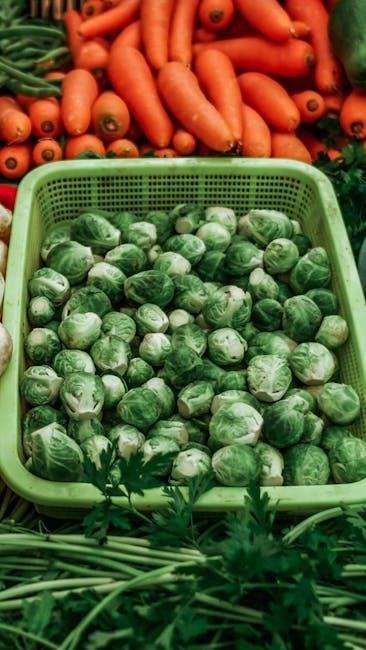
Low Gas Diet PDFs consistently highlight cruciferous vegetables as potential gas-producing culprits. This family – including broccoli, cauliflower, cabbage, Brussels sprouts, and kale – contains raffinose, a complex sugar that the human digestive system struggles to break down. Consequently, raffinose reaches the large intestine largely intact.
Here, gut bacteria ferment it, generating hydrogen, carbon dioxide, and sometimes methane, leading to bloating, flatulence, and discomfort. PDFs often detail strategies for mitigating these effects. These may include thoroughly cooking cruciferous vegetables, as heat can partially break down raffinose, or consuming them in smaller portions.
Some PDFs suggest pairing these vegetables with carminative herbs like fennel or anise, traditionally used to aid digestion and reduce gas. Detailed guides will also explain that individual tolerance varies; what causes significant gas in one person may not affect another. Experimentation, guided by a food diary (often included as a template in the PDF), is encouraged to determine personal limits.
Beans and Legumes: A Major Gas Source
Low Gas Diet PDFs universally identify beans and legumes – encompassing lentils, chickpeas, and soybeans – as significant contributors to intestinal gas. Like cruciferous vegetables, they contain complex carbohydrates, specifically oligosaccharides, that our bodies lack the enzymes to fully digest in the small intestine. These undigested carbohydrates then become a feast for bacteria in the colon.
This bacterial fermentation process produces gas as a byproduct. PDFs often provide strategies to minimize this effect. Soaking beans overnight and discarding the soaking water can remove some of the gas-producing compounds. Thoroughly cooking them is also crucial.
Many guides recommend starting with small portions and gradually increasing intake to allow the gut microbiome to adapt. Some PDFs suggest incorporating digestive aids like Beano, which contains an enzyme that helps break down oligosaccharides. Individual tolerance is key, and a food diary, frequently included in these PDFs, helps pinpoint specific bean varieties that are better tolerated.
Dairy Products and Lactose Intolerance
Low Gas Diet PDFs consistently highlight dairy products as potential gas triggers, particularly for individuals with lactose intolerance. Lactose, the sugar found in milk and dairy, requires the enzyme lactase for digestion. When lactase is deficient, undigested lactose ferments in the colon, leading to gas, bloating, and discomfort.
PDF resources often advise limiting or eliminating dairy to assess tolerance. Lactose-free alternatives – milk, yogurt, and cheese – are frequently recommended as substitutes. These products have had lactase added to break down the lactose during processing.
Many guides suggest experimenting with smaller portions of regular dairy to determine individual thresholds. Some PDFs also mention that hard cheeses, like cheddar and parmesan, generally contain less lactose than softer cheeses or milk. Utilizing a food diary, a common feature in these PDFs, can help identify specific dairy products causing issues and track symptom severity.
Sugary Foods and Artificial Sweeteners

Low Gas Diet PDFs frequently address the impact of sugary foods and artificial sweeteners on digestive health and gas production. Excessive sugar intake can disrupt the gut microbiome, fostering the growth of gas-producing bacteria. Fructose, a sugar found in fruits and high-fructose corn syrup, is often singled out as a common culprit.

PDF guides often recommend limiting sugary drinks, candies, and processed foods with added sugars. Artificial sweeteners, such as sorbitol, mannitol, and xylitol, are also flagged as problematic. These sugar alcohols aren’t fully absorbed by the body and ferment in the colon, causing bloating and gas.
Resources emphasize reading food labels carefully to identify hidden sugars and artificial sweeteners. Many PDFs suggest opting for natural sweeteners in moderation, like stevia or small amounts of maple syrup. A detailed food diary, often included in these PDFs, can help pinpoint specific sugary items triggering digestive distress and track symptom patterns.
Foods Generally Well-Tolerated on a Low Gas Diet
Low Gas Diet PDFs highlight easily digestible options. These guides often list lean proteins, white rice, bananas, and certain vegetables as safe choices for minimizing bloating and discomfort.
Lean Proteins: Chicken, Fish, and Turkey
Lean proteins are generally well-tolerated on a low gas diet, and Low Gas Diet PDFs consistently emphasize their inclusion. Chicken, fish, and turkey are easier to digest than red meats or processed protein sources, reducing the likelihood of gas production during digestion.
When selecting these proteins, opt for preparation methods that minimize added fats. Grilling, baking, poaching, or steaming are preferable to frying. Avoid heavily seasoned marinades or sauces containing high-FODMAP ingredients, as these can counteract the benefits of choosing lean protein.
PDF guides often suggest skinless chicken breast as an excellent choice, alongside white fish like cod or halibut. Turkey, particularly white meat, is also a good option. Portion control is important; even easily digestible foods can cause discomfort if consumed in excessive amounts. Remember to consult a Low Gas Diet PDF for specific serving size recommendations tailored to individual needs and tolerance levels.
These protein sources provide essential amino acids without the digestive burden associated with higher-fat or more complex protein structures, making them a cornerstone of a comfortable, low-gas eating plan.
Easily Digestible Grains: White Rice & Oatmeal
Easily digestible grains, such as white rice and oatmeal, are frequently highlighted in Low Gas Diet PDFs as safe and comforting carbohydrate choices. Unlike whole grains, which contain higher levels of fiber and complex carbohydrates, these options are gentler on the digestive system, minimizing gas production.
PDF resources typically recommend white rice over brown rice due to its lower fiber content. When preparing oatmeal, opt for rolled oats or quick oats rather than steel-cut oats, as they are more easily broken down. Avoid adding high-FODMAP ingredients like honey or certain fruits during preparation.
It’s crucial to note that portion sizes still matter. Even easily digestible foods can contribute to discomfort if consumed in large quantities. Low Gas Diet PDFs often provide guidance on appropriate serving sizes.
These grains offer a readily available energy source without the bloating and discomfort often associated with more complex carbohydrates, making them valuable components of a low-gas dietary approach. They are a staple for those seeking digestive relief.
Low-Gas Fruits: Bananas, Blueberries, and Cantaloupe
Low Gas Diet PDFs consistently feature bananas, blueberries, and cantaloupe as excellent fruit choices for individuals seeking to minimize digestive discomfort. These fruits are generally lower in FODMAPs – fermentable carbohydrates that can trigger gas and bloating – compared to many other varieties.
PDF guides often emphasize that ripeness matters; slightly underripe bananas contain more resistant starch, potentially causing gas. Blueberries, rich in antioxidants, are well-tolerated in moderate portions. Cantaloupe, while a good option, should be consumed in smaller servings due to its fructose content.
Resources like Verywell Health highlight the importance of individual tolerance. While these fruits are generally safe, some individuals may still experience symptoms. Low Gas Diet PDFs encourage keeping a food diary to identify personal triggers.
Incorporating these fruits into your diet provides essential vitamins and nutrients without the unwanted side effects, supporting overall health while managing gas and bloating effectively. They are a sweet and safe addition.
Vegetables to Favor: Carrots, Spinach, and Zucchini
Low Gas Diet PDFs frequently recommend carrots, spinach, and zucchini as safe vegetable options for those aiming to reduce gas and bloating. These vegetables are generally well-tolerated due to their lower FODMAP content, making them ideal additions to a restricted diet.
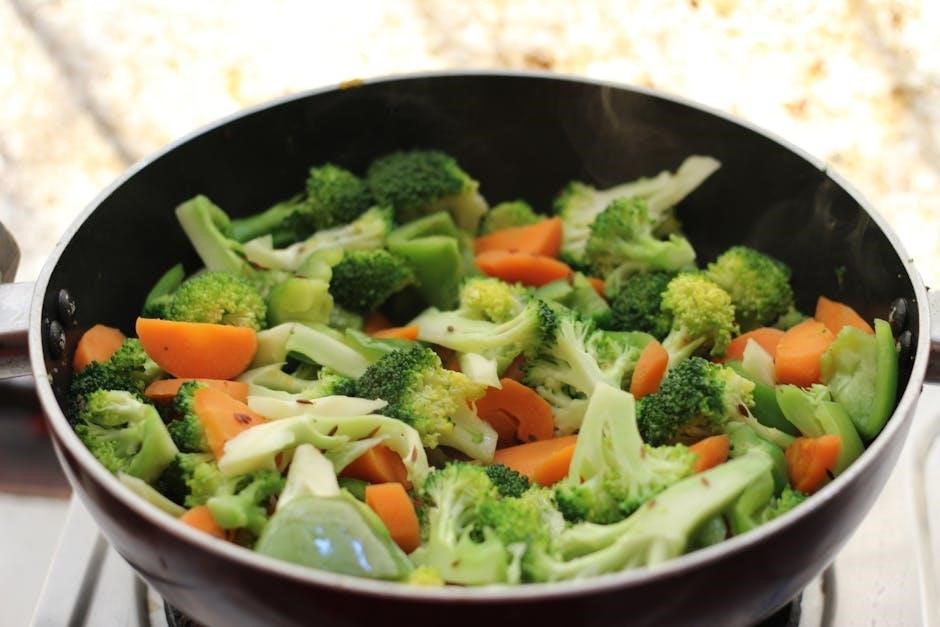
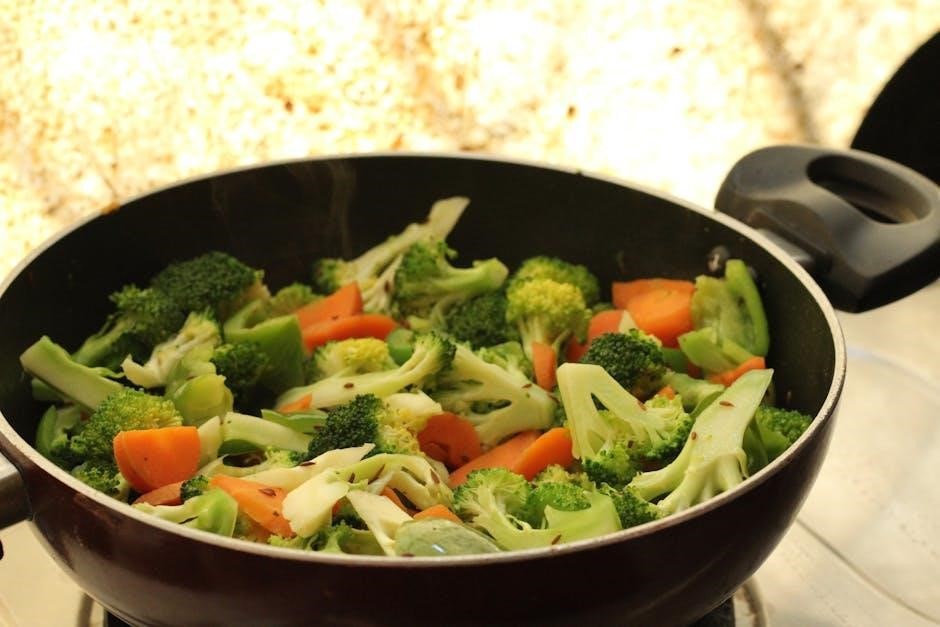
PDF guides often suggest cooking these vegetables can further enhance digestibility. Steaming or lightly sautéing spinach and zucchini breaks down some of the fibers, minimizing potential gas production. Carrots, naturally easier to digest, can be enjoyed raw or cooked.
Resources like Verywell Health emphasize portion control, even with low-gas vegetables. While these are better choices, excessive consumption can still lead to discomfort. Low Gas Diet PDFs often provide suggested serving sizes.
These vegetables offer vital nutrients and fiber without the typical bloating associated with cruciferous vegetables or onions. They contribute to a balanced diet while supporting digestive comfort and overall well-being, making them a staple.
Herbs and Spices That Aid Digestion
Low Gas Diet PDFs often highlight the beneficial role of specific herbs and spices in easing digestion and reducing gas. Many traditional remedies, now supported by dietary guides, suggest incorporating these into meals to promote gut health and minimize discomfort.
PDF resources frequently recommend ginger, peppermint, and fennel. Ginger is known for its anti-inflammatory properties and ability to speed up gastric emptying. Peppermint can relax intestinal muscles, relieving spasms and bloating. Fennel seeds aid digestion and reduce gas.
Websites like Verywell Health suggest using these spices in moderation. While beneficial, excessive amounts can sometimes cause irritation. Low Gas Diet PDFs often provide guidance on appropriate quantities.
These herbs and spices aren’t just flavor enhancers; they actively support the digestive process. They can be added to teas, soups, or used as seasonings, offering a natural way to alleviate gas and bloating while enjoying flavorful meals.

Implementing a Low Gas Diet
Low Gas Diet PDFs emphasize a structured approach. Start slowly, tracking your intake in a food diary. This helps identify trigger foods and personalize your dietary plan effectively.
Embarking on a low gas diet requires patience and a methodical approach. Many Low Gas Diet PDFs strongly advocate for a gradual reintroduction of foods, rather than a drastic elimination. This is crucial for identifying individual sensitivities and preventing overwhelming digestive distress.
Begin by focusing on the foods generally well-tolerated – lean proteins, white rice, bananas, and certain cooked vegetables. Introduce one new food every 2-3 days, in small portions. Carefully monitor your body’s response, noting any increases in gas, bloating, or discomfort. A detailed food diary, often included as a template in these PDFs, is invaluable during this phase.
If a new food causes symptoms, eliminate it again for a period, then attempt reintroduction later. Don’t be discouraged by setbacks; everyone’s digestive system is unique. The goal isn’t necessarily to eliminate entire food groups permanently, but to understand your personal tolerance levels. Low Gas Diet PDFs often provide sample reintroduction schedules to guide you, emphasizing a slow and steady process for long-term success and digestive comfort.
Keeping a Food Diary
A cornerstone of any successful low gas diet is meticulous record-keeping. Most Low Gas Diet PDFs emphasize the importance of a detailed food diary, serving as your personal detective in uncovering trigger foods. This isn’t simply listing what you eat, but also when, how much, and crucially, how you feel afterwards.

Record everything – meals, snacks, drinks, even seemingly insignificant items. Note the time of consumption and any subsequent symptoms, such as bloating, gas, cramping, or changes in bowel habits. Be specific; instead of “bloated,” try “mild abdominal distension 2 hours after lunch.”
Many downloadable PDFs provide pre-formatted diary templates, streamlining the process. Consistency is key; aim to record information daily, even on days you feel well. After a week or two, patterns will emerge, revealing which foods consistently contribute to your discomfort. This diary, alongside guidance from a Low Gas Diet PDF, empowers you to make informed dietary choices and regain control over your digestive health.
Hydration and its Role in Digestion
Adequate hydration is paramount when following a low gas diet, and this is consistently highlighted within comprehensive Low Gas Diet PDFs. Water aids digestion, helping to break down food and move it through the digestive tract efficiently. Dehydration can exacerbate constipation, a common contributor to gas and bloating.
Aim for at least eight glasses of water daily, and increase intake if you’re physically active or live in a warm climate. Herbal teas, like peppermint or chamomile (often suggested in Low Gas Diet PDFs for their soothing properties), can also contribute to your fluid intake.
Avoid carbonated beverages, as these introduce extra gas into your system. Some PDFs suggest warm water with lemon first thing in the morning to stimulate digestion. Proper hydration supports gut health, facilitating the breakdown of foods and minimizing the production of gas. Remember, water isn’t just about quenching thirst; it’s a vital component of a comfortable digestive process.
Resources & Further Information
Need more guidance? Numerous Low Gas Diet PDFs are available online, offering detailed meal plans and food lists. Verywell Health provides excellent starting points for your research.
Finding Low-Gas Recipes
Embarking on a low-gas diet doesn’t necessitate bland or restrictive meals! Fortunately, a wealth of resources exists to help you discover delicious and gut-friendly recipes. Many websites specializing in digestive health, like Verywell Health, offer curated collections specifically designed for individuals following a low-FODMAP or low-gas approach.
Furthermore, searching online for “low-gas recipes PDF” will yield numerous downloadable recipe books and guides. These PDFs often categorize recipes by meal type (breakfast, lunch, dinner, snacks) and provide detailed ingredient lists and preparation instructions. They are incredibly convenient for meal planning and grocery shopping.
Consider exploring recipe platforms and filtering searches using keywords like “FODMAP-friendly,” “low-gas,” or “bloating-reducing.” Don’t hesitate to adapt existing recipes by substituting high-gas ingredients with well-tolerated alternatives. Remember to prioritize simple cooking methods like steaming, baking, or poaching, as these tend to be gentler on the digestive system. Utilizing a Low Gas Diet PDF as a starting point can streamline this process significantly, offering a foundation of proven recipes to build upon.
Low Gas Diet PDF Availability
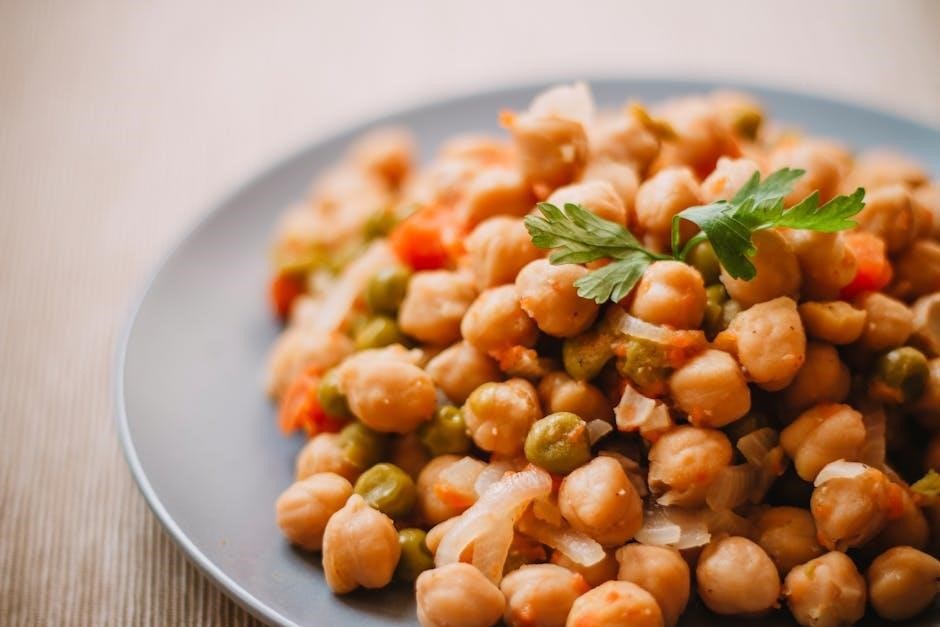
Accessing a comprehensive Low Gas Diet PDF is easier than you might think! Numerous healthcare providers, registered dietitians, and digestive health organizations offer downloadable guides to support individuals managing excessive gas and bloating. A quick online search using terms like “low gas diet PDF,” “FODMAP diet PDF,” or “bloating diet guide” will reveal a variety of options.
Websites like Verywell Health frequently provide downloadable resources, often including sample meal plans, food lists, and recipe ideas tailored to a low-gas approach. These PDFs are invaluable for those newly diagnosed or seeking a structured plan to follow. Many are free of charge, while others may require a small fee or subscription.
When selecting a Low Gas Diet PDF, ensure it’s from a reputable source and created by qualified professionals. Look for guides that clearly outline which foods to avoid, which to enjoy, and provide practical tips for implementation. Having a readily available PDF allows for convenient reference while grocery shopping, meal prepping, and tracking your progress.